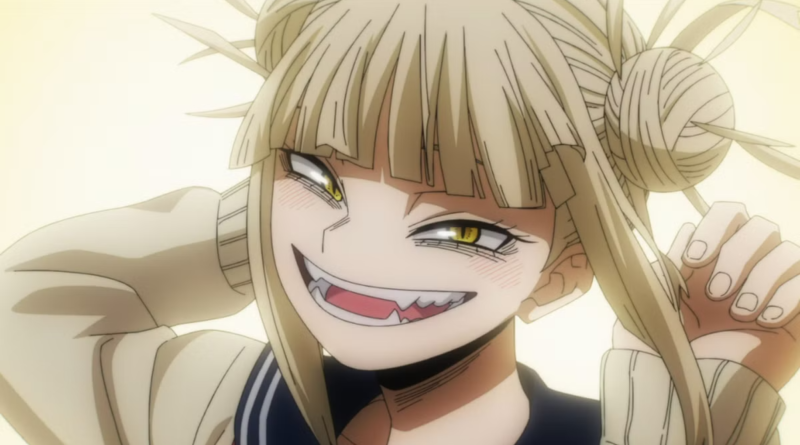
Assault in China: My Hero Academia cosplayer’s wig burned in act of aggressive nationalism
A violent incident has shaken the international otaku community after a video went viral showing a cosplayer being attacked in a public park in China. The victim, who was dressed as Katsuki Bakugo from My Hero Academia, had her wig burned by an elderly woman, who justified her attack on the grounds of extreme nationalism and historical hatred towards Japan.
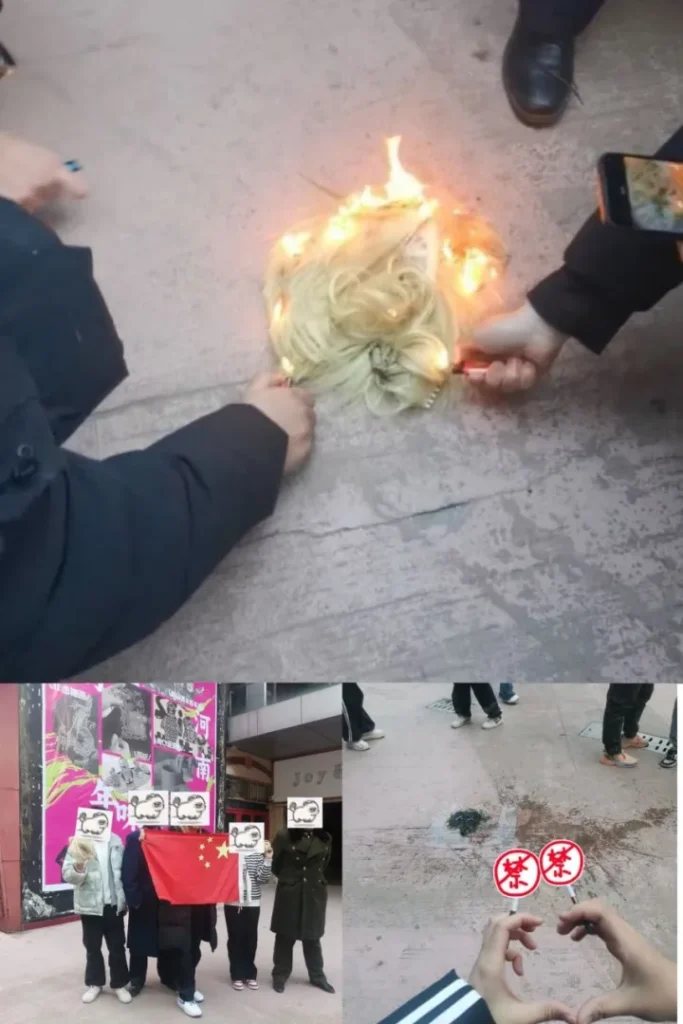
The incident took place in Henan province. According to reports and audiovisual material posted on social networks such as Weibo, an elderly woman approached the young cosplayer and, without saying a kind word, used a lighter to set fire to her ash-blonde wig. As the flames consumed the accessory, the attacker shouted phrases related to “not forgetting history” and reproached young people for “worshipping the culture of the invaders.”
This attack is not an isolated incident, but part of a climate of growing tension in certain regions of China against Japanese cultural expressions. Eyewitnesses said the woman also rebuked other young people present, accusing them of being traitors to their country for consuming anime and manga.
It should be remembered that My Hero Academia has a complex history in China. In 2020, the series was removed from streaming platforms and the Chinese publishing market after intense controversy over the name of a character (Maruta Shiga), which referred to the victims of human experiments carried out by Unit 731 of the Imperial Japanese Army during World War II. Although the author, Kohei Horikoshi, apologized and changed the name, the stigma seems to persist in the more conservative and nationalist sectors.
Technical details (from the original work):
- Publisher/Label: Shueisha (Weekly Shonen Jump).
- Publication start date: July 7, 2014.
- Animation studio: BONES.
- Director: Kenji Nagasaki / Masahiro Mukai.
- Bakugo’s voice actor: Nobuhiko Okamoto.
- Synopsis: In a world where most of the population is born with superpowers, Izuku Midoriya is born without them, but his encounter with the number one hero allows him to enter U.A. Academy to become the successor of peace.
This incident reflects a worrying generational and political clash. While Chinese youth are among the world’s biggest consumers of Japanese content, radical nationalism uses anime as a “scapegoat” to channel historical traumas. The safety of fans at pop culture events is being compromised by rhetoric that does not distinguish between the politics of a state and the artistic expression of its citizens.
Is it possible to separate art from history in regions with open wounds, or will cosplay remain a risky activity in certain political contexts?