
Japan on your palate: the global appeal of its food
Japanese cuisine is renowned for its quality and healthiness. Dishes such as sushi, ramen, and tempura have become commonplace on international menus. According to the South China Morning Post, Japanese food “is almost synonymous with high-quality, healthy cuisine.” However, these are only a part of the rich traditional cuisine called washoku, which was declared an Intangible Cultural Heritage by UNESCO in 2013.

This washoku heritage also includes soups (such as miso), fresh fish prepared in a thousand ways, pickles, and special rice dishes. For example, in 2022, Hong Kong imported more than $560 million worth of Japanese food, highlighting the popularity of Japanese fish and seafood. In addition, global culinary trends such as poke bowls and vegan versions of Japanese dishes show how Japanese cuisine is evolving without losing its essence.
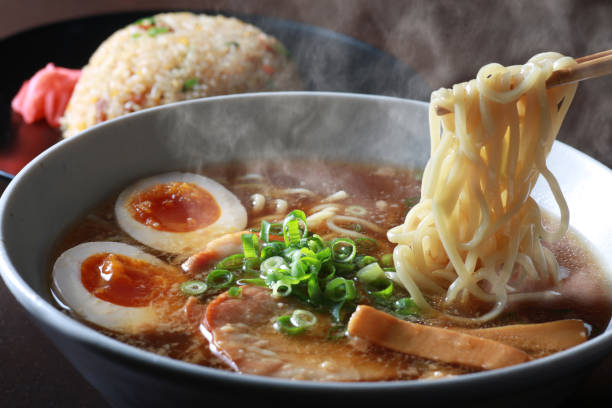
- UNESCO Heritage: Washoku (traditional Japanese cuisine) has been Intangible Cultural Heritage since 2013.
- Signature dishes: Sushi, ramen, and sashimi are international favorites, but local cuisine also includes unique soups, seaweed, and fermented foods.
- Global influence: Japanese ingredients (soy sauce, nori seaweed, miso) are present in cuisines around the world, reflecting their growing demand.