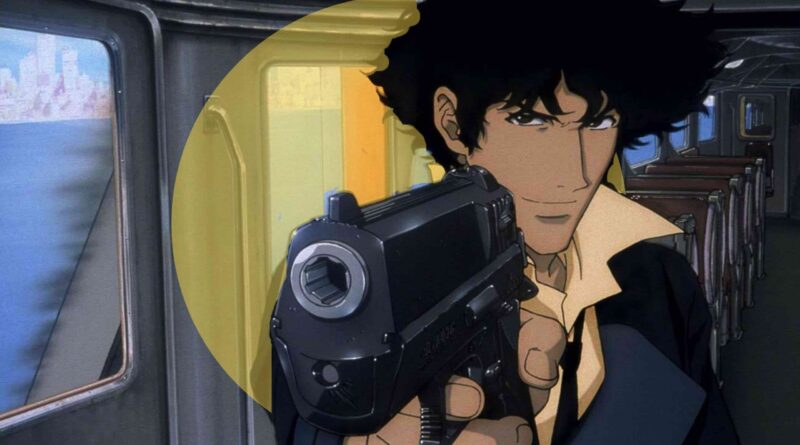
Cowboy Bebop: The jazz and melancholy of bounty hunters
Cowboy Bebop (1998, Sunrise) is a classic anime that blends science fiction and cosmic western. The series, directed by Shinichirō Watanabe, follows a motley crew of bounty hunters—Spike Spiegel, Jet Black, Faye Valentine, Ed, and her dog Ein—as they travel through space in the Bebop spaceship. Unlike many action-packed works, in Cowboy Bebop “the story is completely irrelevant,” focusing instead on the characters and their personal dilemmas. Each episode is almost self-contained (in the style of noir), with touches of dark humor and drama, but above all with a distinctive atmosphere.
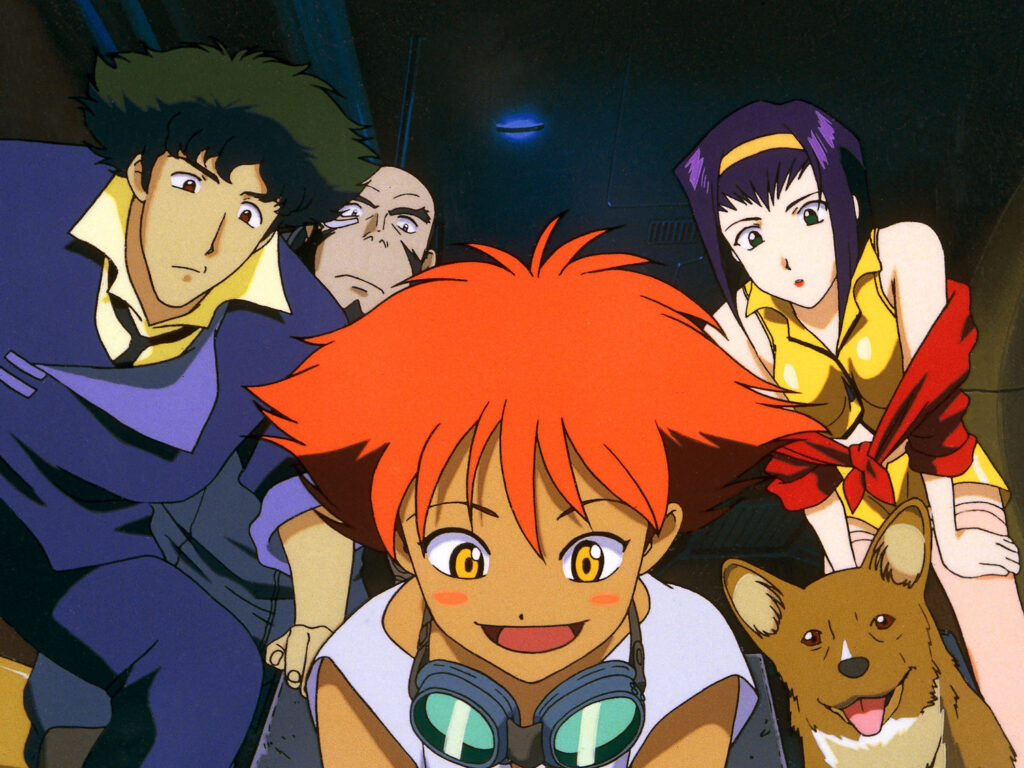
The production of Cowboy Bebop stands out for its quality: music influenced by jazz and blues (soundtrack by Yoko Kanno), sharp scripts, and fluid animation. CommonsenseMedia notes that it is “one of the easiest anime series to follow” and a good introduction to the genre, set in 2071 with “diverse, well-developed characters and an accessible plot.” In addition, the visual design draws on 1960s spy films and noir aesthetics, with an outstanding color palette. Each episode is named after a famous song (“Blue,” “My Funny Valentine,” “Tank!” in the credits), reinforcing the connection to jazz.

Since its premiere, Cowboy Bebop has been acclaimed by the general public and otakus alike. Its blend of stylized action, cinematic pacing, and emotional subtext earned it a reputation as a “masterpiece.” Its influence was such that it popularized anime in the West (it was the first anime series on Adult Swim). On an editorial level, its ambiguous ending and adult approach are often highlighted: there are no typical shōnen-style happy endings.
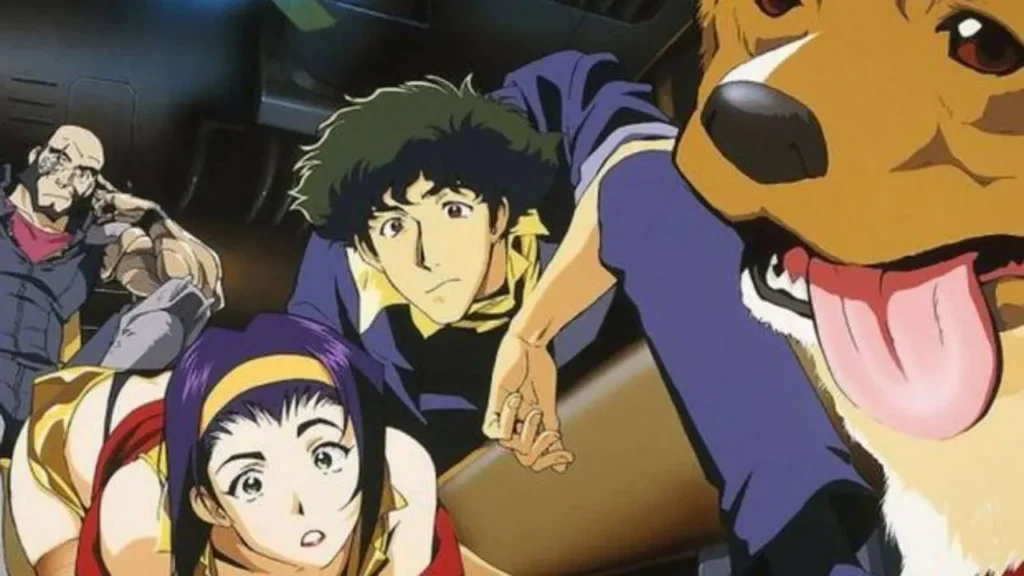
In conclusion, Cowboy Bebop is recommended for both anime newbies and veterans alike for its unique atmosphere. One could close by reflecting: what makes it so timeless? Perhaps it is the maturity of its themes (loss and maturity) and its brilliant combination of genres. In the end, this series proves that “it’s not where the bounty hunters go that matters, but what they learn along the way.”