
Demon Slayer: Kimetsu no Yaiba – visual mastery and samurai spirit
Demon Slayer: Kimetsu no Yaiba quickly became a benchmark for modern anime thanks to its technical quality and emotional impact. The story follows Tanjiro Kamado, a young samurai in the Taishō period who seeks to save his demon sister while facing powerful supernatural enemies. The studio ufotable elevated this series with such meticulous animation that even Hollywood highlights its visual finish. Both critics and audiences praised its plot and style: Wikipedia notes that the series received “critical acclaim for its story, animation, action scenes, characters, and voice acting” and is considered one of the best of the decade.
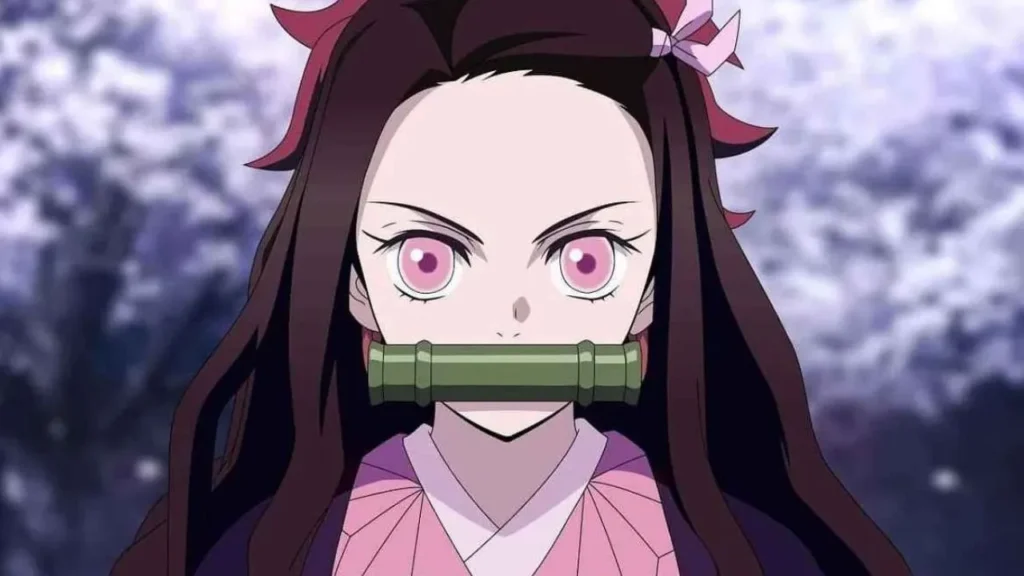
Throughout the series, Demon Slayer episodes combine epic battles with katanas imbued with water or fire effects, accompanied by emotional music by Yuki Kajiura and Go Shiina. Each story arc keeps viewers hooked with dramatic twists (the fight against Lunaria, the battle in the entertainment district) and the human development of its characters. Ufotable maximized the fluid combat movements, achieving memorable sequences—for example, the adaptation of the movie “Mugen Train” is celebrated worldwide for its quality. The historical setting is reflected in detailed designs (traditional costumes, temples) alongside demons with elaborate fantastical aspects.
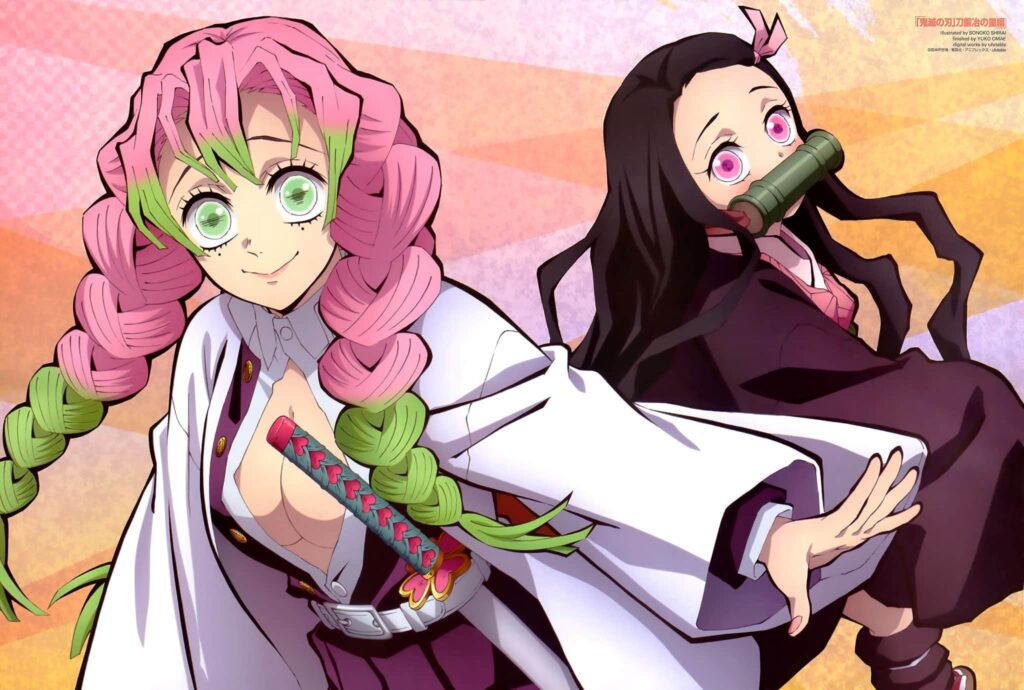
Since its premiere in 2019, Demon Slayer has received awards and broken box office records with its films. Fans highlight the message of hope despite Tanjiro’s family tragedy, as well as the depth of the sibling/sacrifice relationship. The series is often recommended for those seeking visual excitement and epic heart; it even serves as an entry point for new viewers to anime thanks to its emotional accessibility. Its style balances the traditional with the supernatural, delivering scenes of precise cuts and stylized water jets in high definition.