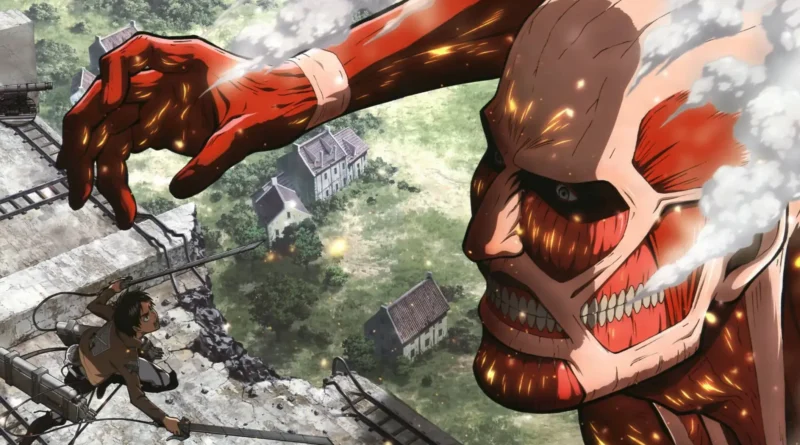
Attack on Titan: the dark epic that changed anime
Attack on Titan (Shingeki no Kyojin) is a series that has captivated the world with its blend of dark and emotional epic storytelling. The plot, set in an apocalyptic future where humanity lives behind immense walls to defend itself from cannibalistic titans, surprises with constant twists and turns and a backdrop of complex internal politics. Analysis of this work reveals why critics such as Kotaku describe it as “one of the most depressing and yet greatest series” in modern anime.
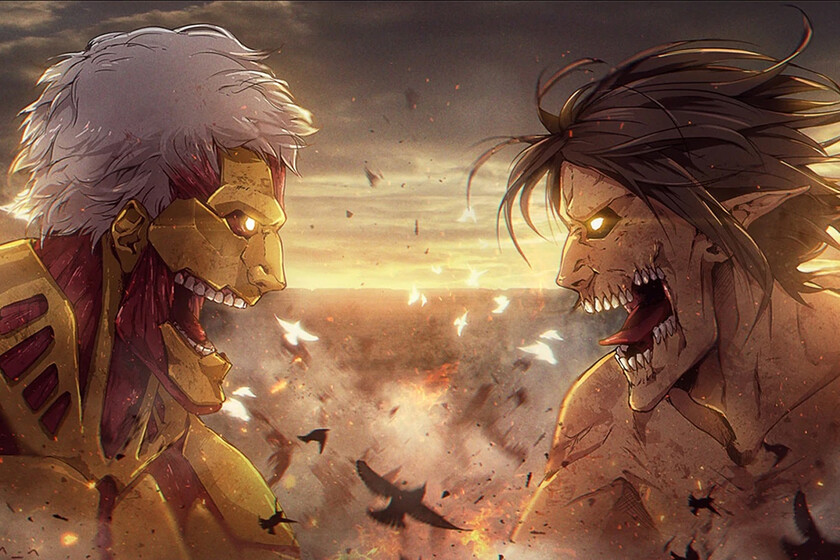
The development of Attack on Titan includes a notable production context: based on the manga by Hajime Isayama, the animated adaptation was initially handled by Wit Studio (seasons 1 to 3) and concluded with MAPPA (final season). The visual quality and direction (for example, by Tetsurō Araki) elevated the brutal battles against titans to a cinematic level. Throughout the series, main characters such as Eren, Mikasa, and Armin mature by facing painful defeats and struggling to discover the origin of the giants. The studio exploited intense battle scenarios (e.g., the fall of Wall Maria in the early episodes) by combining dynamic 3D with traditional animation. Critics highlight the emotional impact of human sacrifices, emphasizing that the series goes beyond action to explore themes of survival and betrayal.
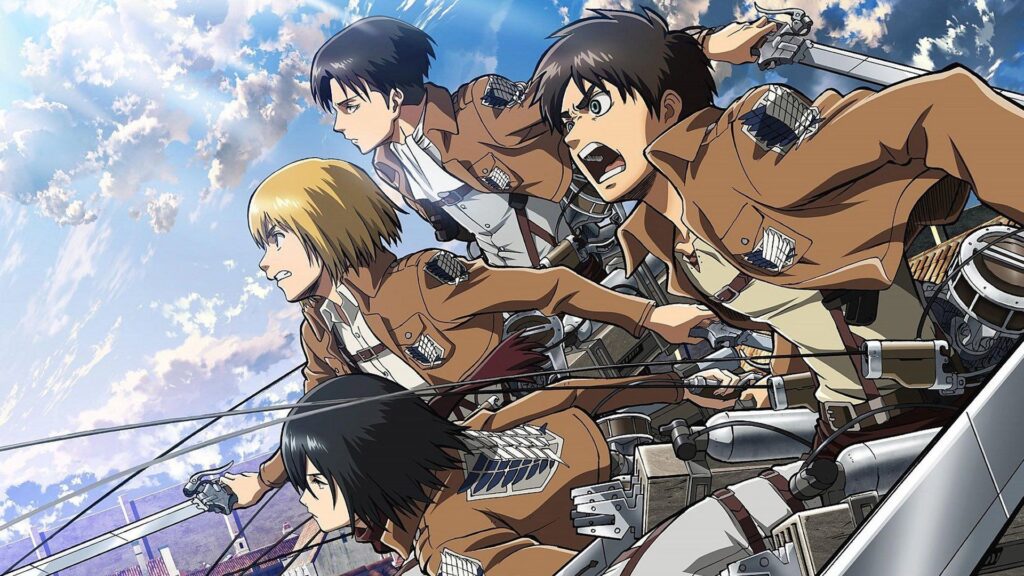
Fans and critics agree that Attack on Titan redefined the genre. It has won numerous awards and is considered one of the best of the decade. In addition, its intense soundtrack and powerful voice performances (Japanese and international) have set trends. On social media and forums, the symbolism of the Titans is debated and speculation about the fate of the characters runs rampant. The visual style is distinctive: from the colossal Titan designs to the polygonal 3D military uniforms, every scene stands out.